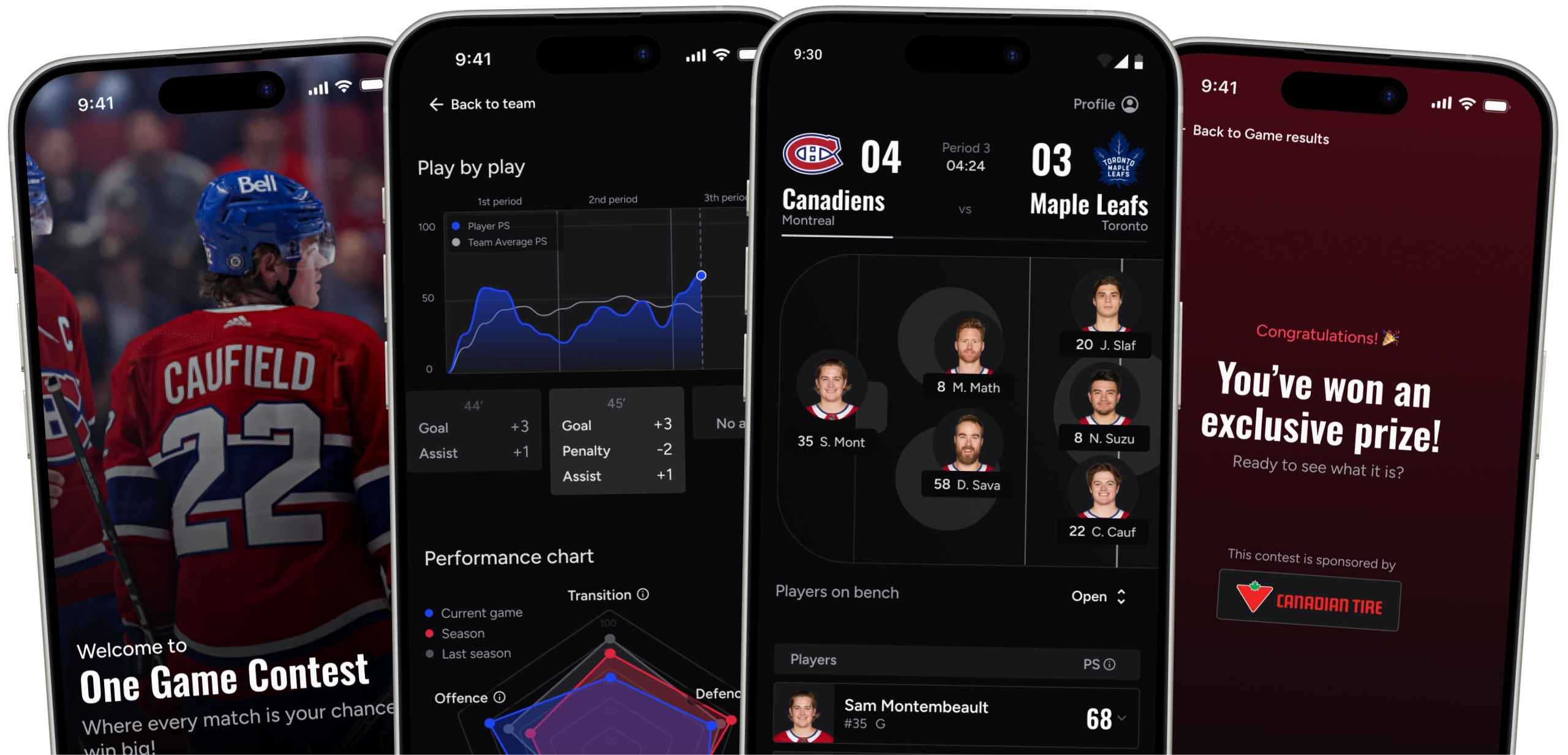
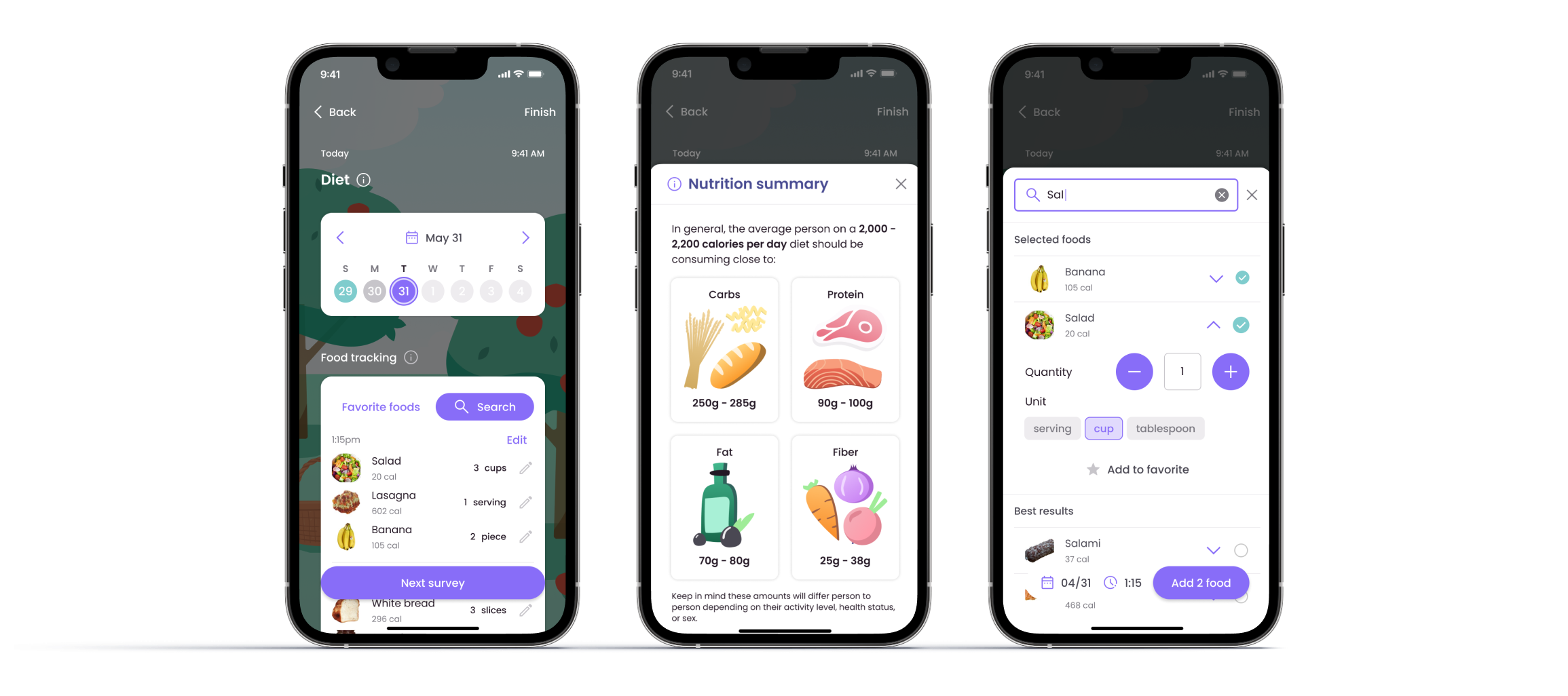

Pierre Moret
FRFrançais
Illustration of Pierre Moret, wearing a cap and glasses, with a pencil behind his ear

Pierre Moret

Product designer

Open to new opportunities

3+ years designing B2B SaaS and mobile apps, between Montréal and Paris.

Complex workflowsDesign systemStartups

About me

I moved into B2B SaaS for a simple reason: you design for people who didn’t choose their tool, and who sometimes spend their whole day in it. Without the desirability stakes of B2C, UX is often the first thing to be sacrificed. That’s exactly where you can change someone’s day-to-day.

I like taking ownership of a project, and I rarely do it alone. I work closely with developers, PMs and field teams, speaking each one’s language. My role in those conversations: reminding everyone that behind every trade-off, there’s someone who will use the tool.

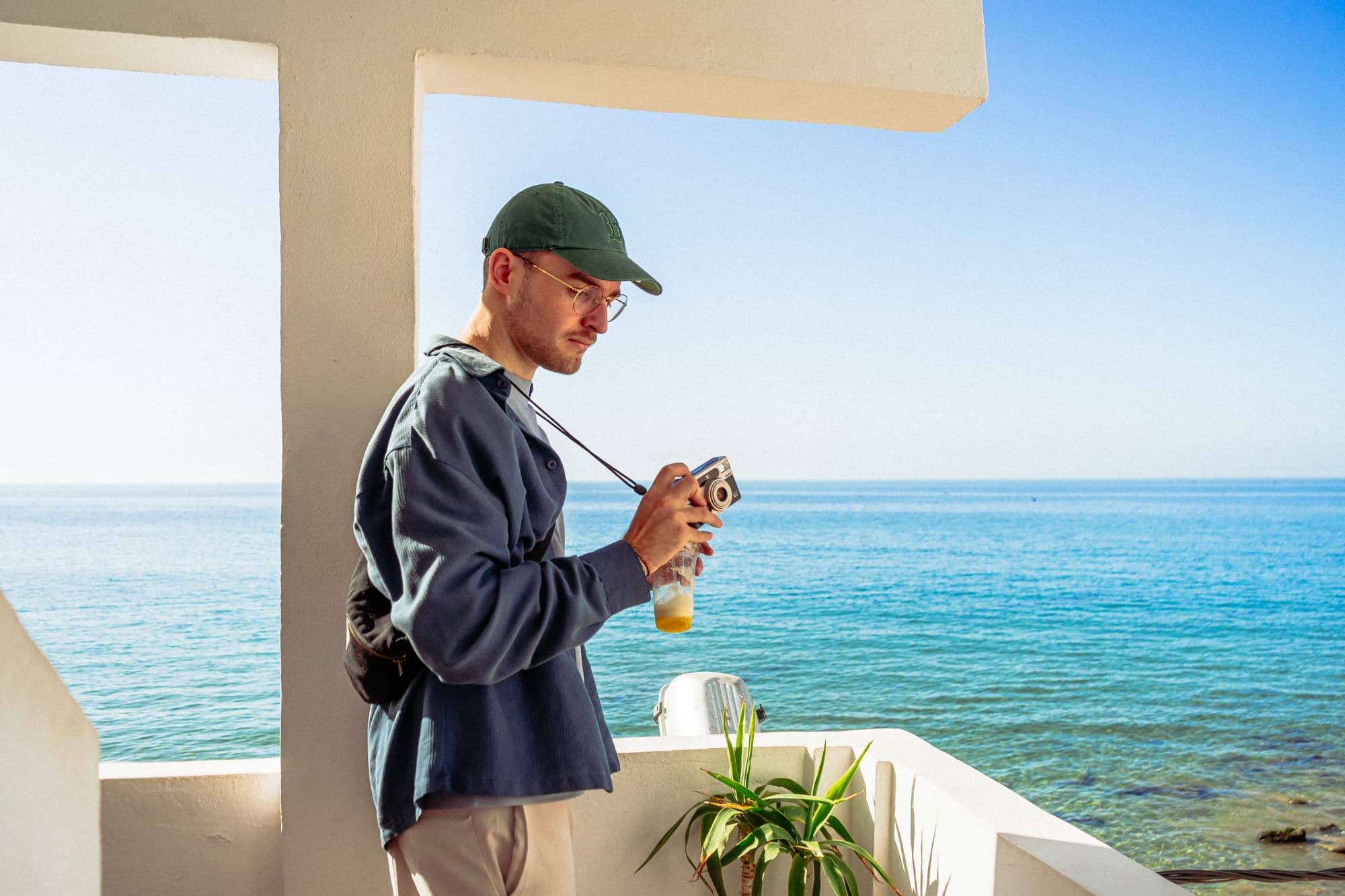
I rarely travel without a camera, and I love getting lost in back streets to capture everyday scenes. For over 10 years, I’ve also been running scout camps. Building a project from scratch, as a team, for others: not that far from my job.

Pierre Moret by the sea, holding a camera
Me, photographing the coast of Taghazout

My background in detail

  1. EthnocareSeptember 2022 – February 2023
  2. InjoyMarch 2023 – April 2024
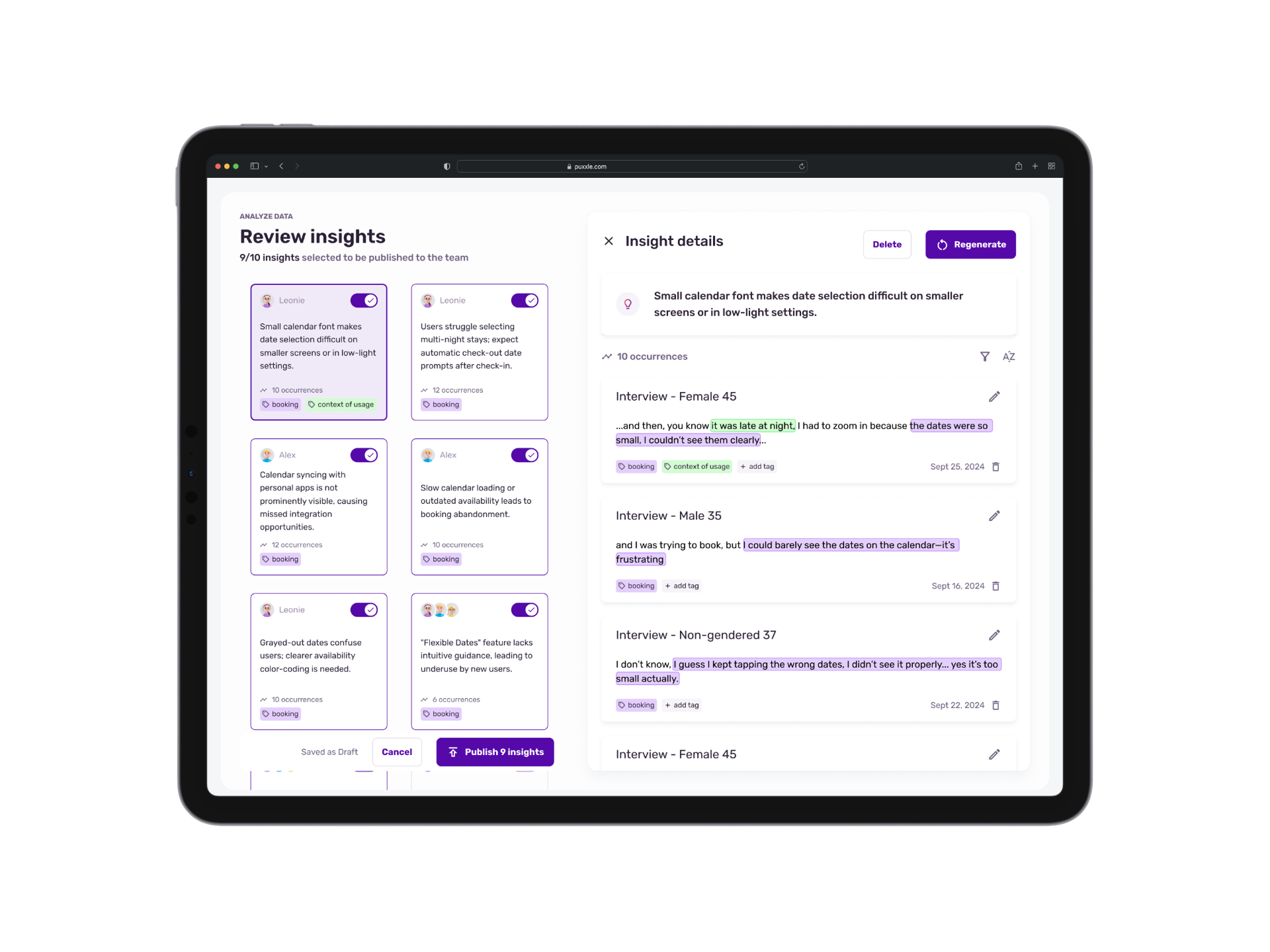
  3. PuxxleJuly 2024 – November 2024
  4. Centech, MontréalExternal consultant · September 2022 – November 2024
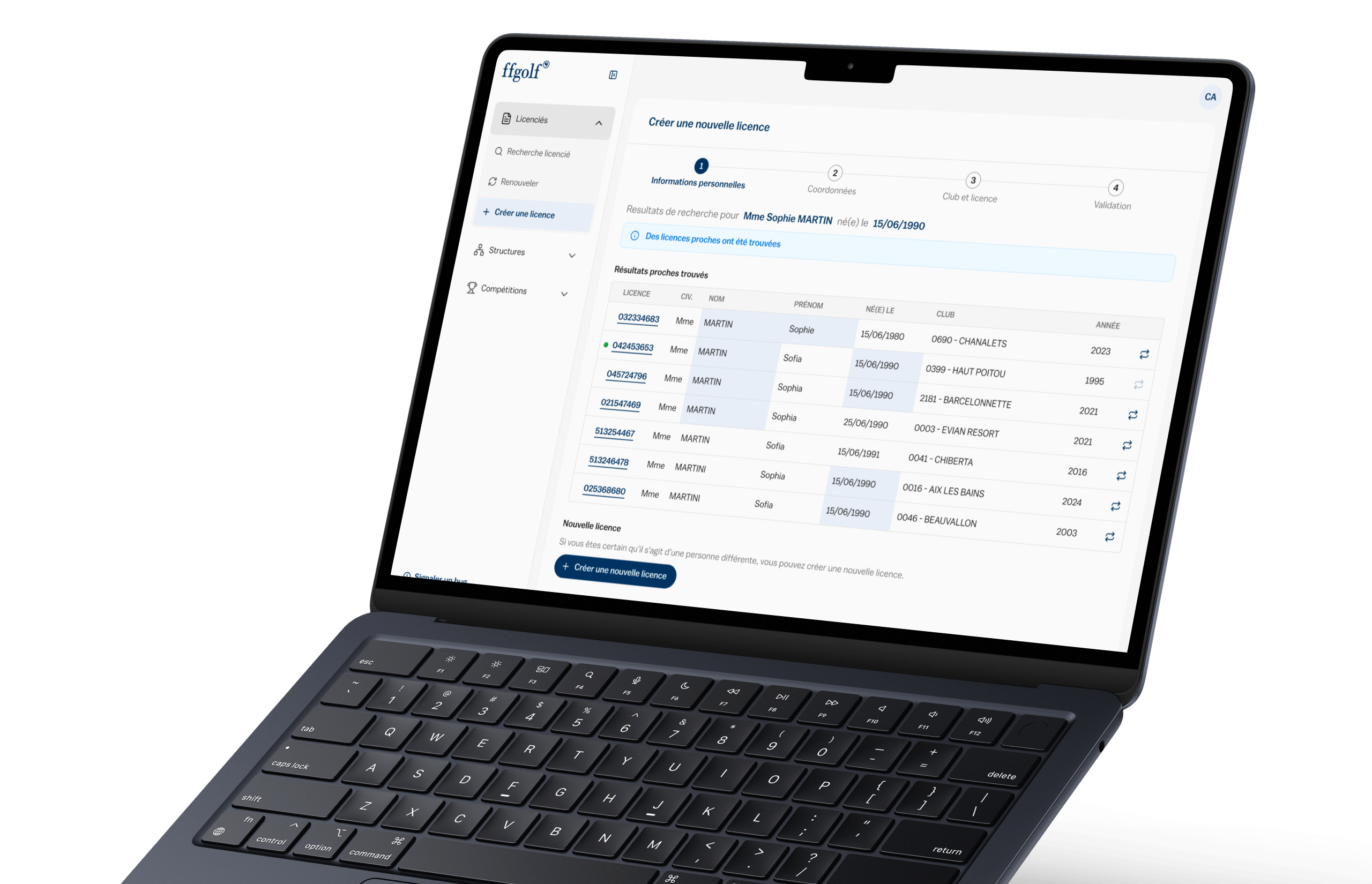
  5. Fédération Française de GolfJuly 2025 – November 2026
  6. My next rolefrom November 2026

My approach

Simple

A simple interface is one of the hardest things to design. Even more so in B2B, where tools are dense, data is plentiful and business cases are rarely linear.

My job is to start from a fuzzy need, understand what users are really trying to achieve, and keep only what matters. Simplifying isn’t about removing features, it’s about prioritising. What’s used every day should be obvious, and what’s rarely used should stay within reach.

Designed for humans

Never trust user input.
Never trust your design.

In development, you learn to be wary of what users type. I prefer to flip the question. They will make mistakes, be tired or in a hurry, and it’s up to the design to have anticipated it.

Good design doesn’t stop at the happy path, it also anticipates errors, invalid inputs and edge cases. That’s also why I find it hard to let go of a detail.

Systemic

Similar actions should produce similar results. That’s what makes a tool predictable, and what gives confidence to the people who use it every day.

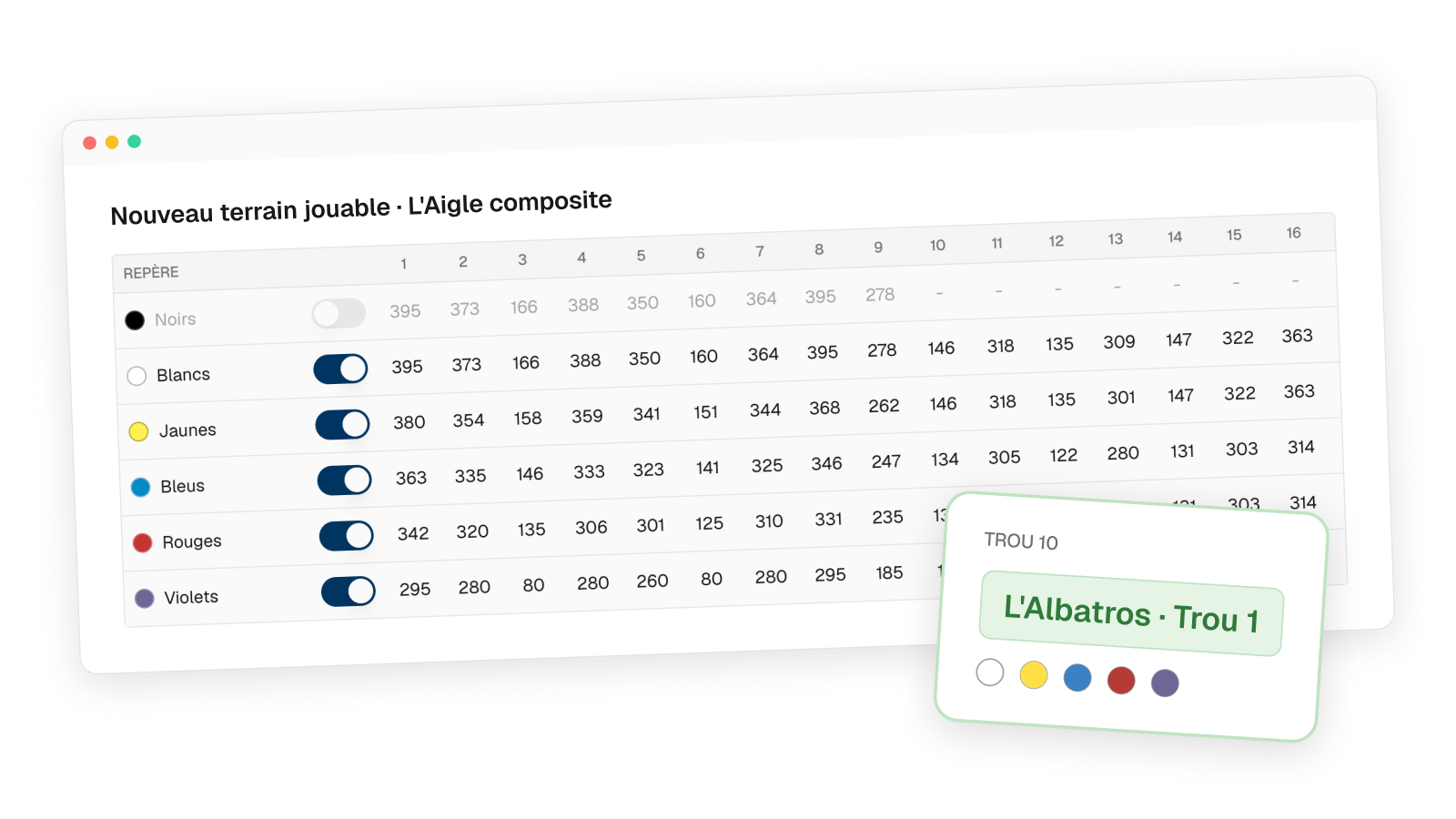
That’s why the design system is at the heart of my work, from FFGolf to Injoy. I build it as a shared language with developers, with common components and usage rules, so that every new screen builds on what already exists instead of reinventing everything.

From need to code

Understand

I run workshops, test with users and keep everything I learn in one place.

  • FigJam
  • Typeform
  • Maze
  • Notion
  • Obsidian

Design

Figma for almost everything, from first mockups to the design system.

  • Figma
  • Adobe suite

Prototype in code

When a mockup isn’t enough, I code a real prototype and put it online so people can try it.

  • Cursor
  • Claude Code
  • Vercel

Ship with devs

I follow tickets with the devs, read their code and we speak the same HTML/CSS.

  • Jira
  • GitHub
  • GitLab
  • HTML/CSS
  • Webflow

When I’m not on Figma or Claude

Hiking

Hiking

Photography

Photography

Reading

Reading

Music

Music